Gold & Silver
Sell Your Gold & Silver Bullion
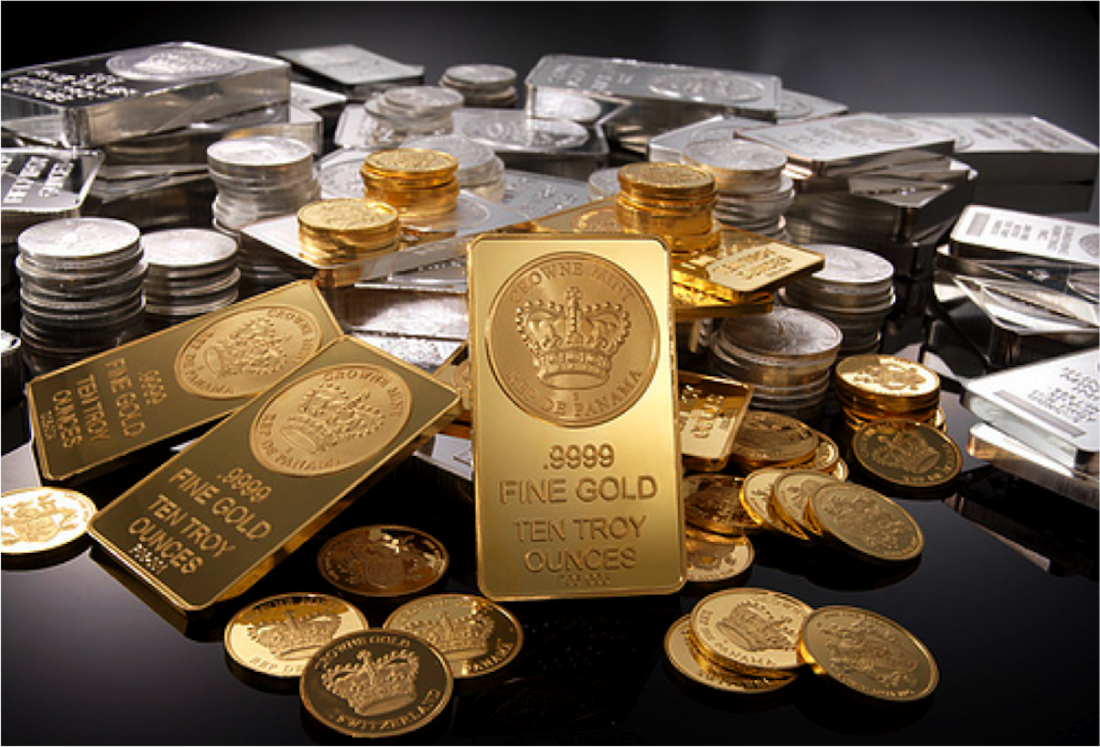
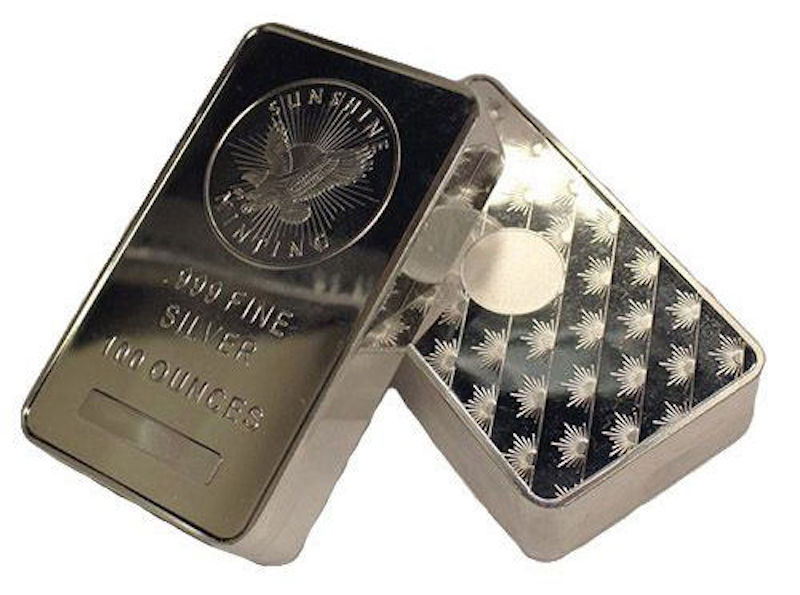
Looking to sell your gold or silver bullion? We buy gold and silver coins, gold and silver bars, and platinum as well — always paying top prices.
Gold & Silver Coins
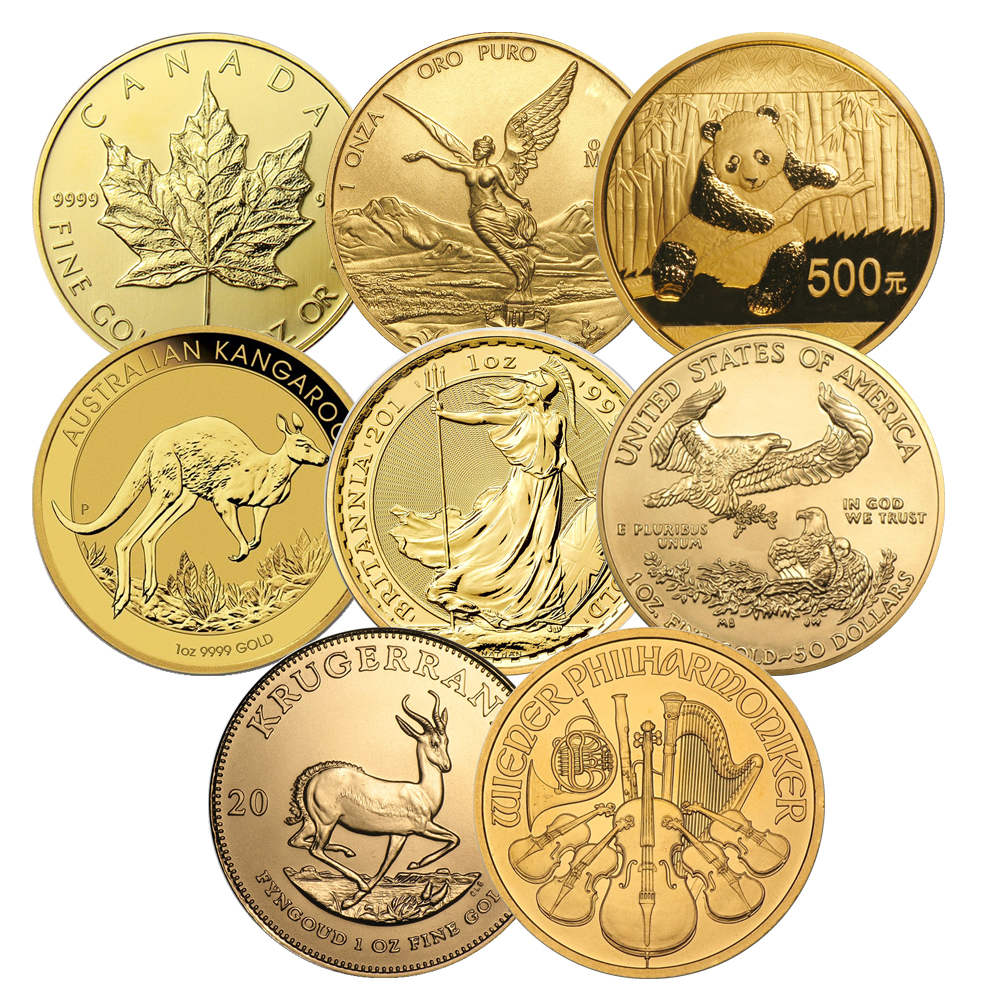
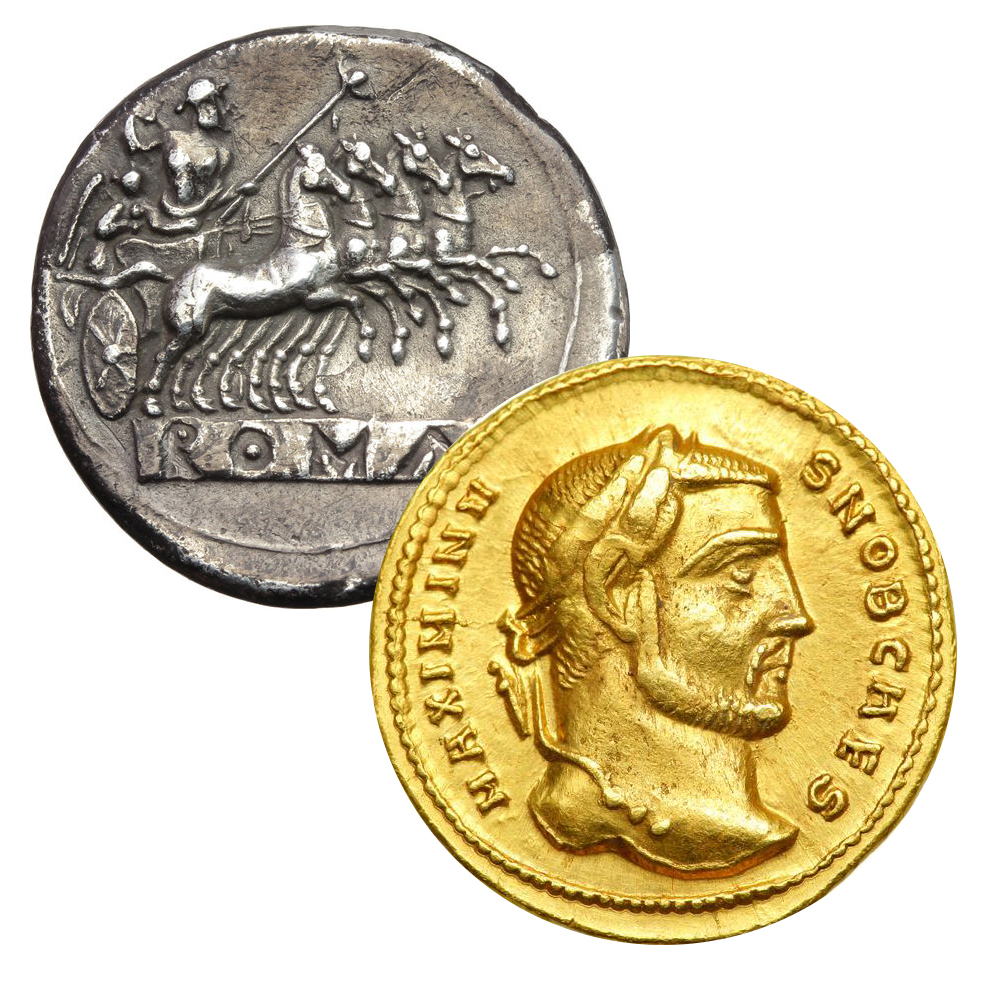
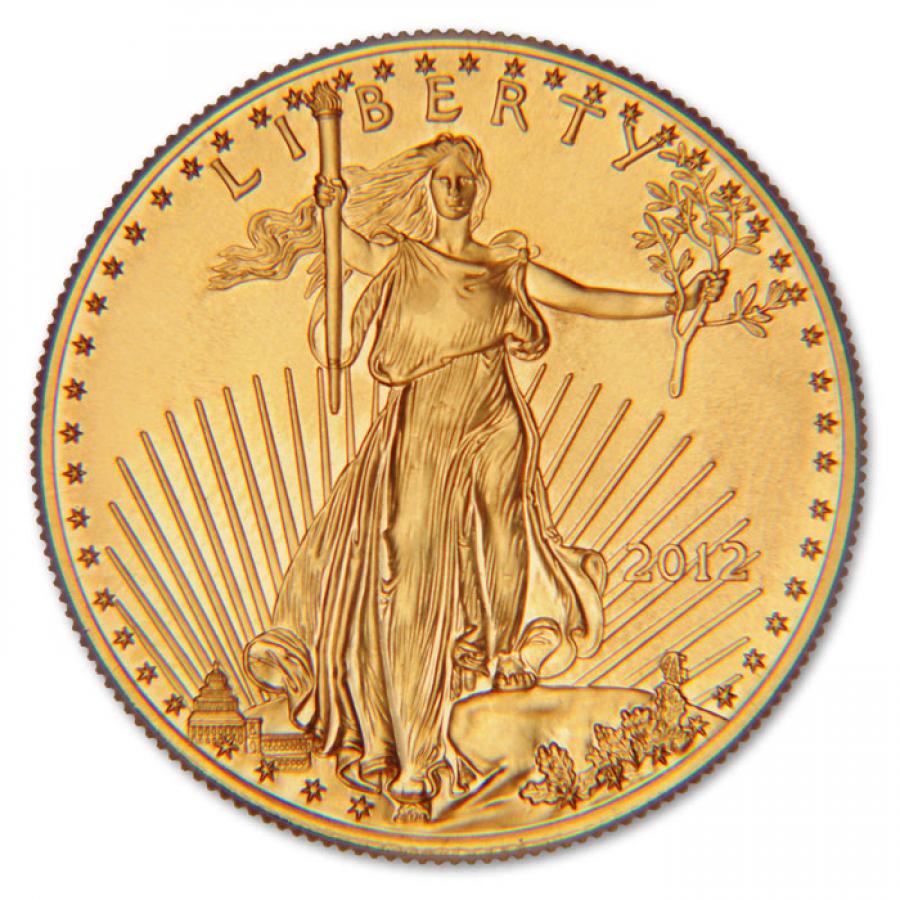
We pay the highest prices for coins including:
American Gold Buffalo · American Gold Eagle · South African Krugerrands · Canadian Maple Leafs · Chinese Pandas · Austrian Philharmonics · and others
Gold & Silver Bars
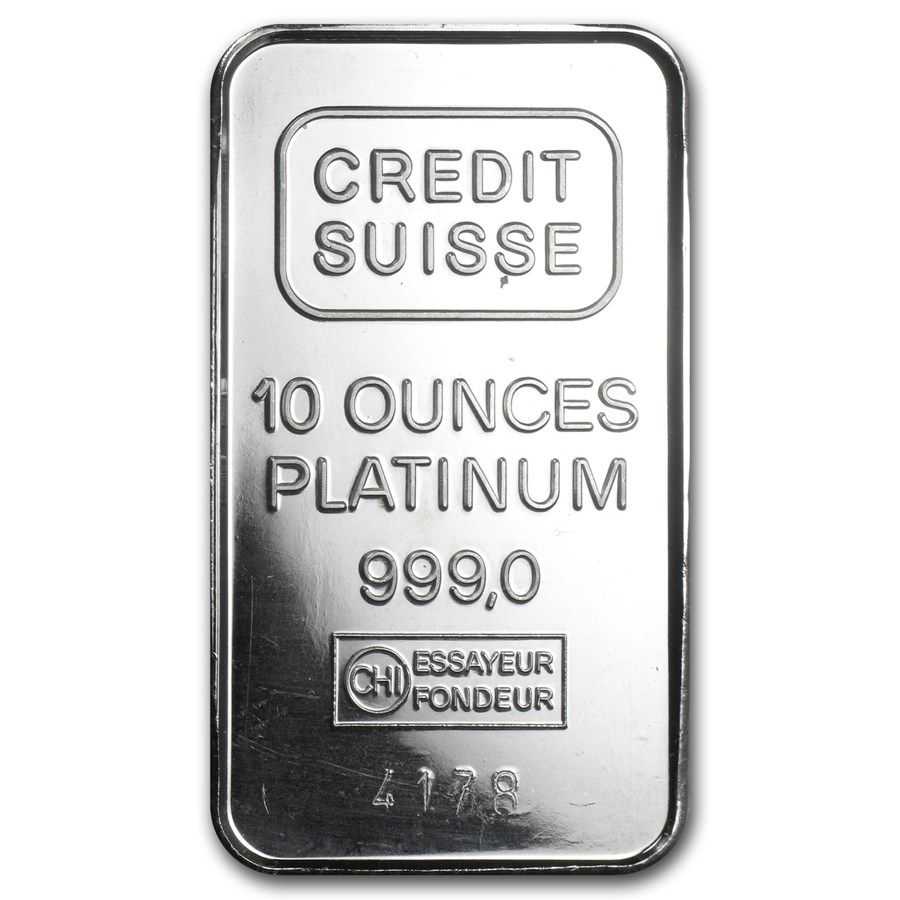
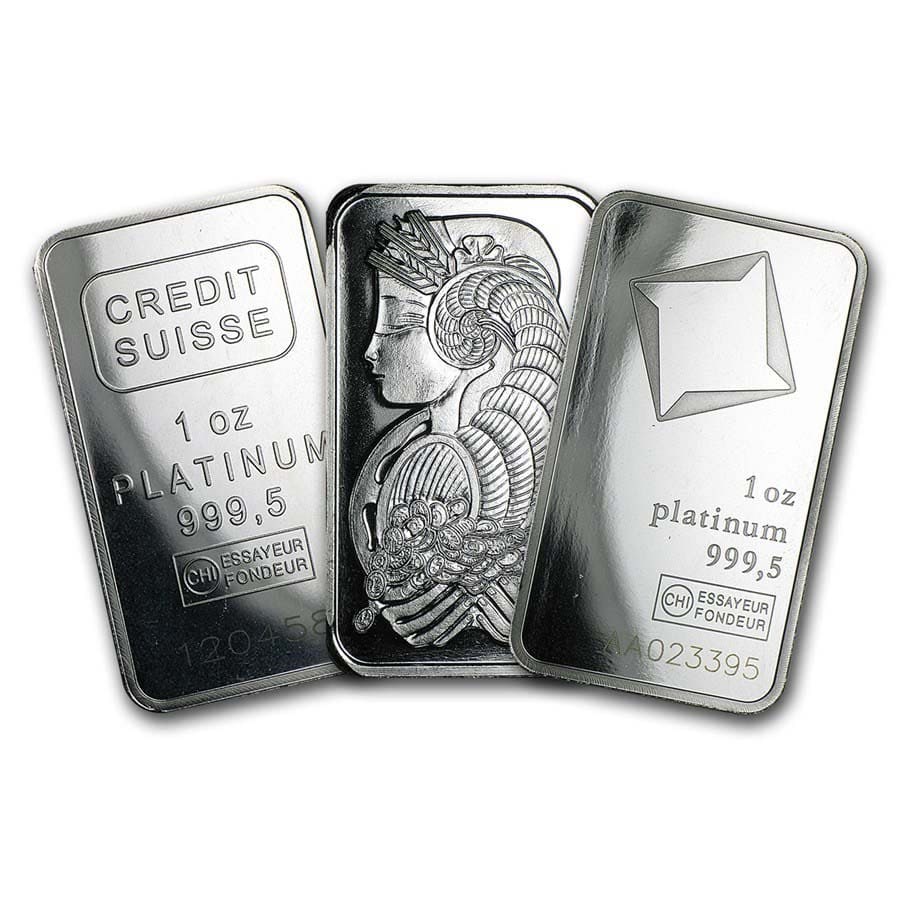
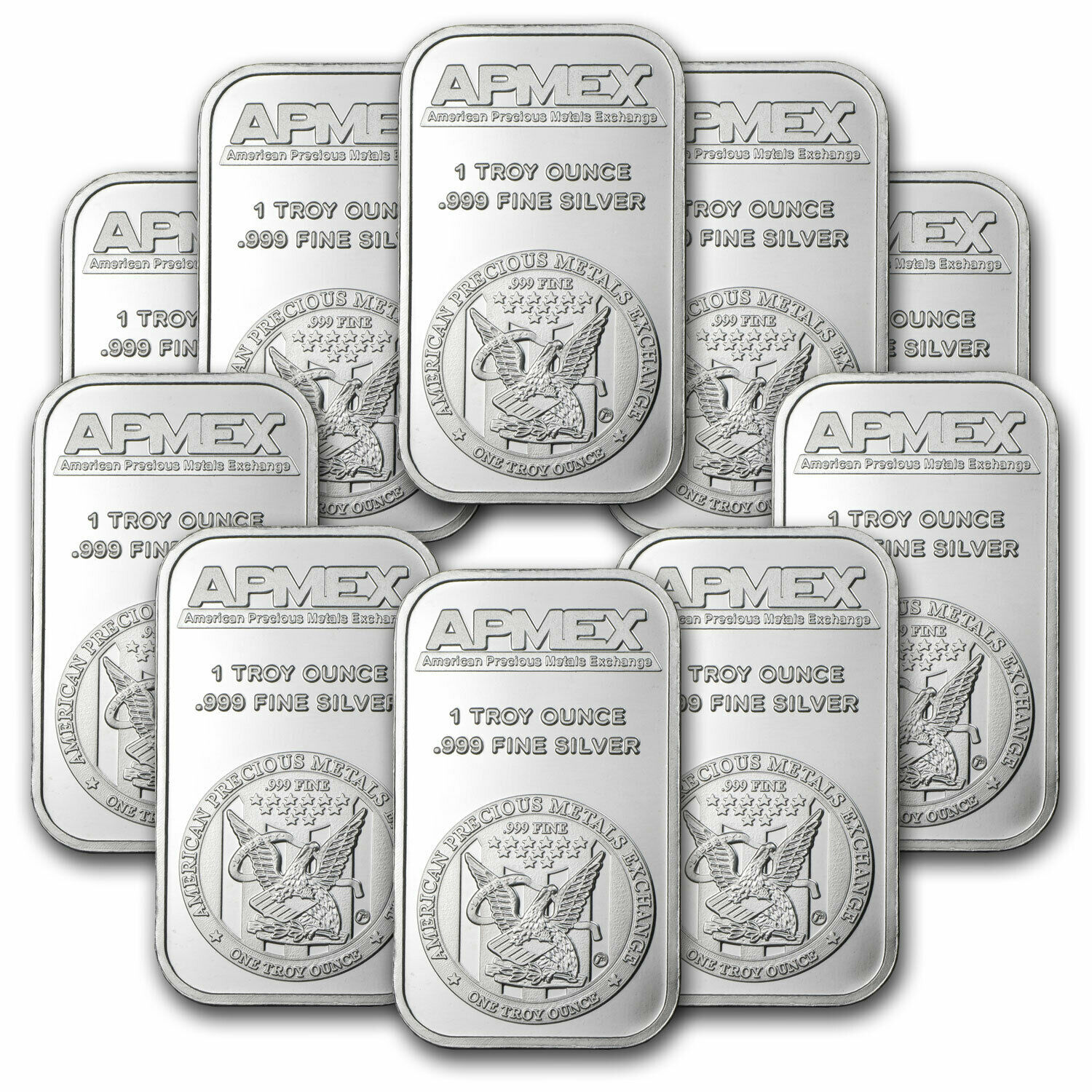
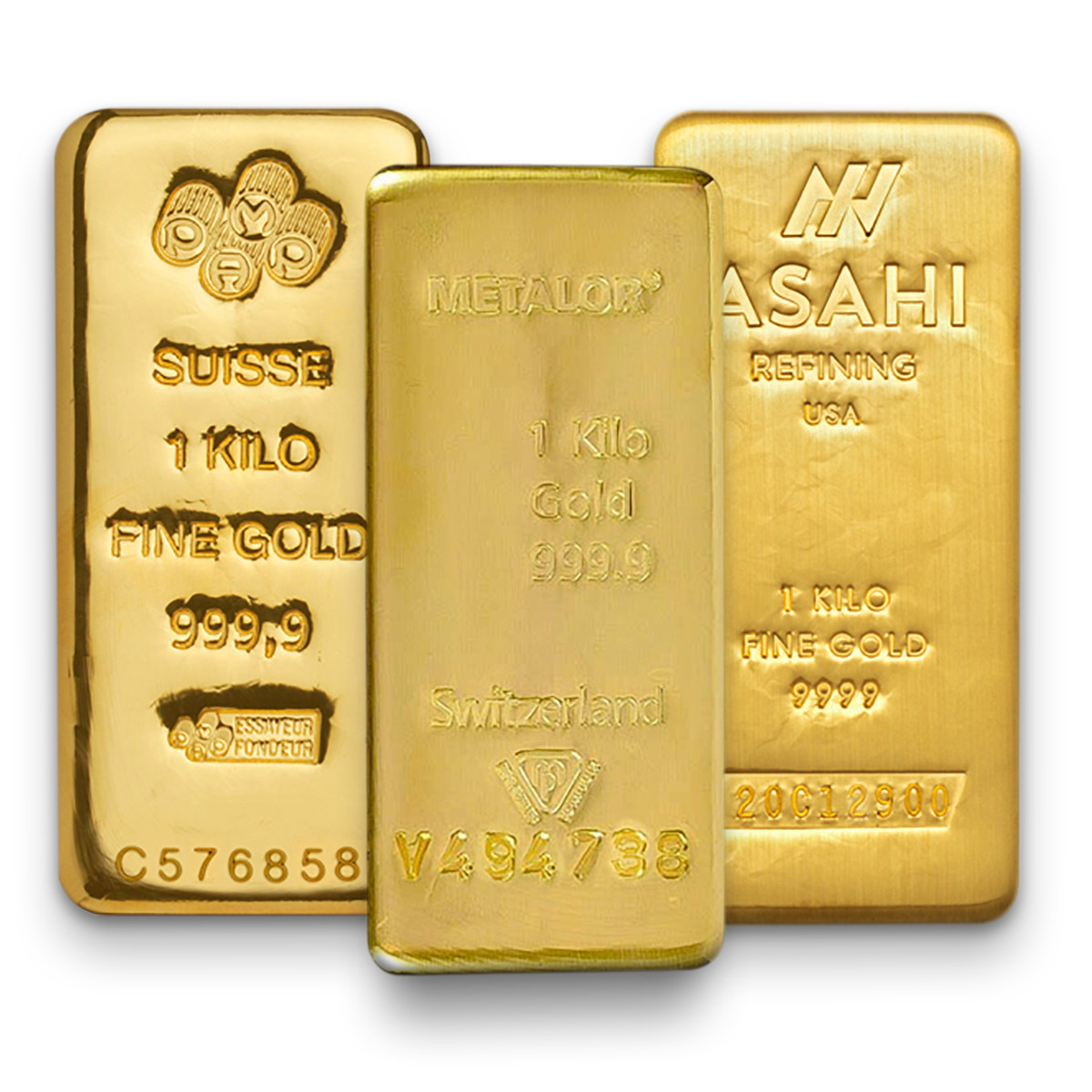
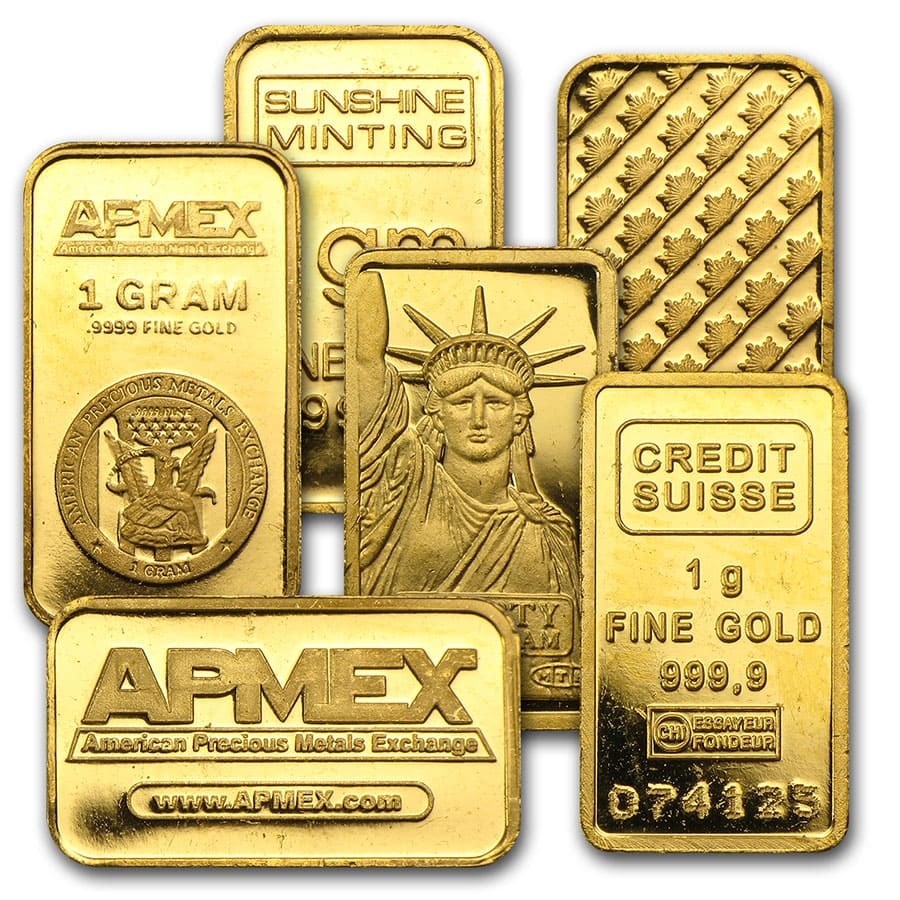
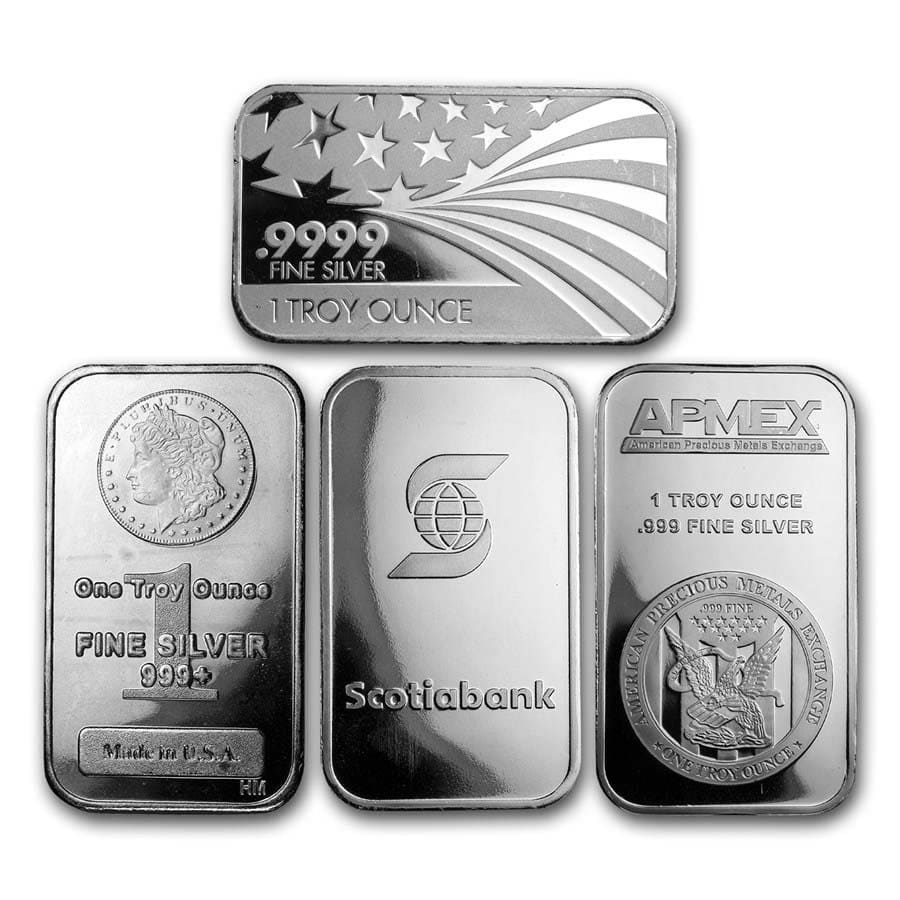
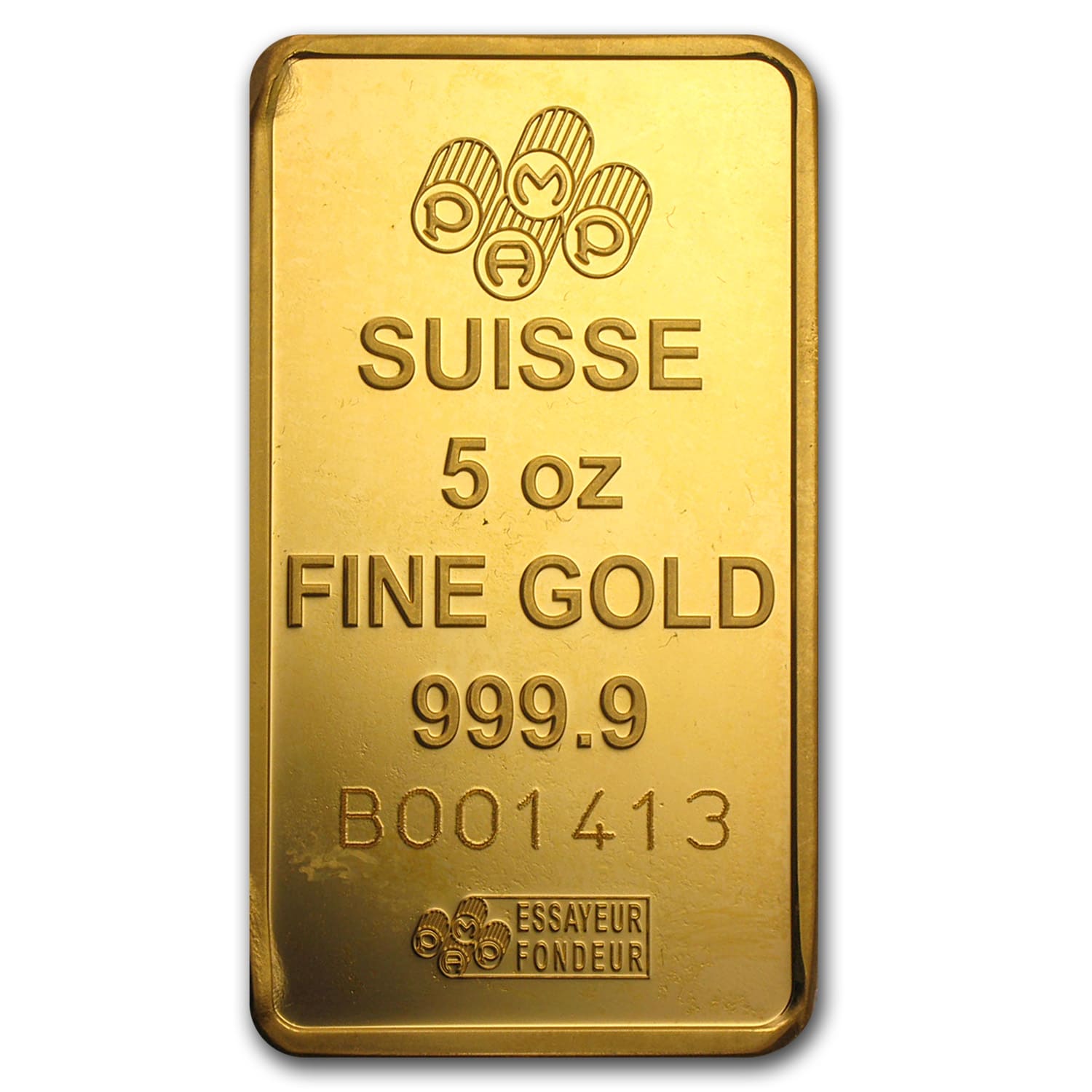
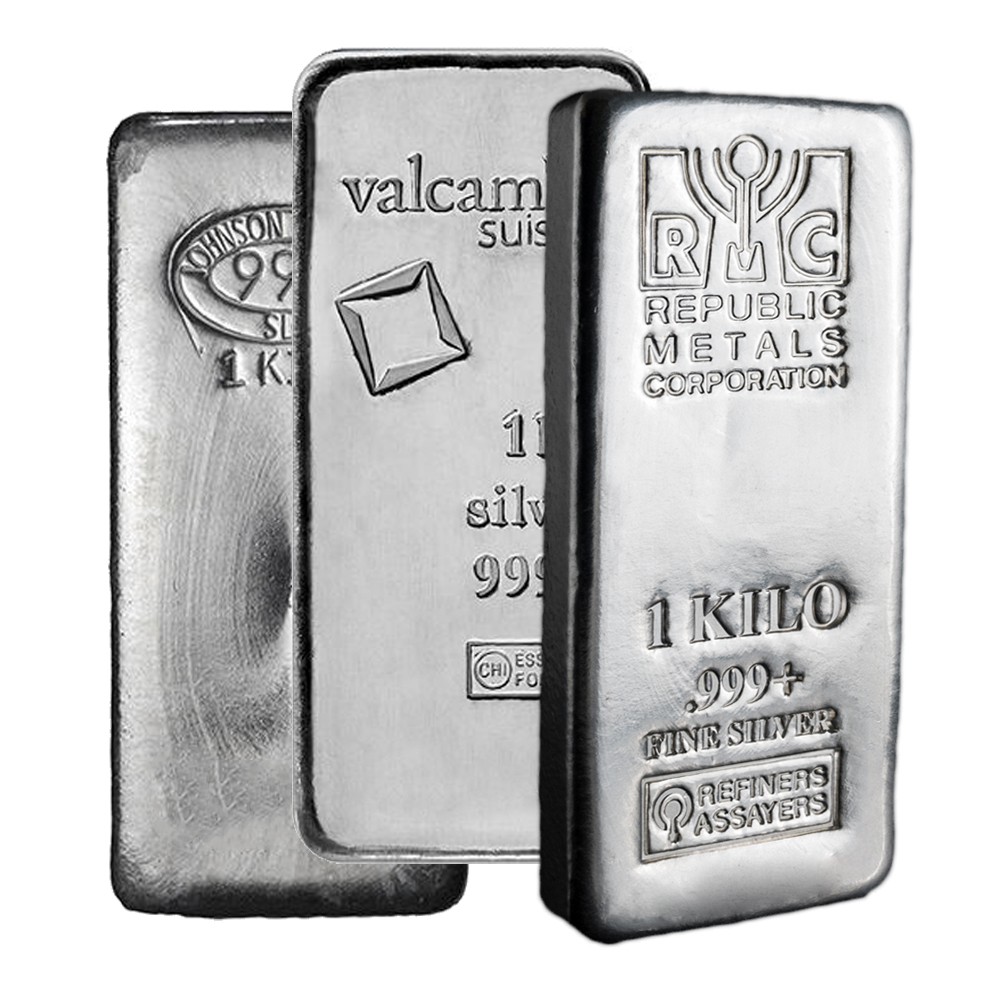
Top prices paid on bars from trusted mints and refiners, including:
PAMP Suisse · Credit Suisse · Johnson Matthey · and many more
Get in Touch
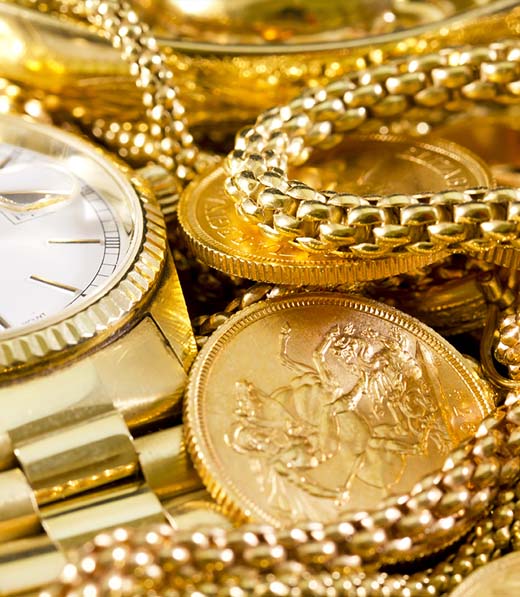
Please contact us with any gold, silver, or platinum treasures you might have — we'd love to take a look.
How Gold Pricing Actually Works: Understanding "Melt Value"
If you've ever wondered why a gold buyer doesn't simply pay you the "spot price" you see quoted on the news, here's an inside look at how gold pricing really works.
Step 1: The Spot Price
The spot price is the current market value of one troy ounce of pure, 24-karat gold — the price you see quoted on financial news sites, updated in real time throughout the trading day. This number is the starting point for every gold transaction, but it's rarely what you're actually paid for a piece of jewelry, coin, or bullion.
Step 2: Purity (Karat Weight)
Most gold jewelry and many older gold items aren't pure 24-karat gold — they're alloyed with other metals for durability. This is measured in karats:
- 24K = 99.9% pure gold
- 18K = 75% pure gold
- 14K = 58.3% pure gold
- 10K = 41.7% pure gold
Before any price can be calculated, a piece's karat purity has to be verified — usually through acid testing, electronic testing, or X-ray fluorescence (XRF) analysis for accuracy.
Step 3: Melt Value
Once purity is confirmed, we calculate the item's melt value — the raw value of the actual gold content, based on its weight and karat percentage relative to the current spot price. This is a mathematical calculation, not a guess:
Melt Value = (Item Weight) × (Karat Purity %) × (Current Spot Price per unit weight)
This tells us what the gold itself is worth, stripped of design, brand, or craftsmanship — the baseline value of the raw material.
Step 4: The Percentage Offer
Here's the part most sellers don't expect: reputable gold buyers typically pay a percentage of melt value, not the full melt value itself. This is standard across the industry, and there are legitimate reasons for it:
- The buyer takes on refining costs, assay fees, and processing time
- Market prices fluctuate constantly, and the buyer assumes that risk during resale
- Business overhead, testing, and logistics all factor into what a buyer can offer
A fair, transparent buyer will explain this percentage clearly and show you the math — weight, purity, current spot price, and the percentage offered — rather than giving you a vague, unexplained number.
Why Some Pieces Are Worth More Than Melt
It's also worth noting: not everything should be priced by melt value alone. Signed designer pieces, antique jewelry, and items from prestigious makers (like the ones we specialize in) are often worth significantly more than their melt value due to craftsmanship, brand, rarity, or collectibility. A good buyer evaluates both — the raw gold content and whether the piece has value beyond its weight.
Getting a Fair, Transparent Offer
At Estatebuyer.com, we walk you through exactly how we arrive at every offer — the weight, the tested purity, the current spot price, and the percentage we're paying — so you always know precisely what you're being offered and why.